Best Tanker Trailer Valves for Chemical Hauling (2026 Guide)
What is a tanker trailer valve?
A tank trailer valve controls the flow, pressure, and release of liquids or gases inside a tanker. These valves are essential for safe loading, transport, and unloading—especially when hauling hazardous or chemical materials.
In chemical applications, valves must handle:
• High pressure
• Corrosive substances
• Strict DOT and safety compliance standards
Types of valves used in tank trailers
A tanker trailer valve is a critical component that controls the flow, pressure, and release of liquids or gases inside a tanker, playing an essential role in safe loading, transport, and unloading—especially when hauling hazardous or chemical materials. In chemical applications, these valves must be built to handle demanding conditions and strict regulatory requirements, including:
• High-pressure environments
• Exposure to corrosive substances
• Compliance with DOT and safety standards
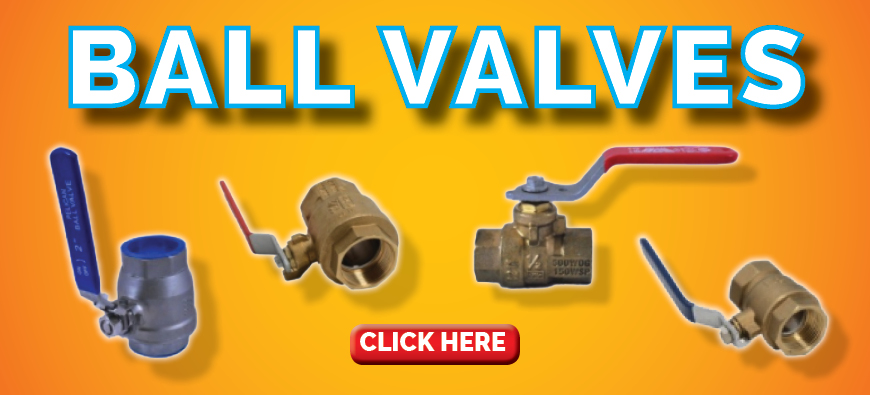
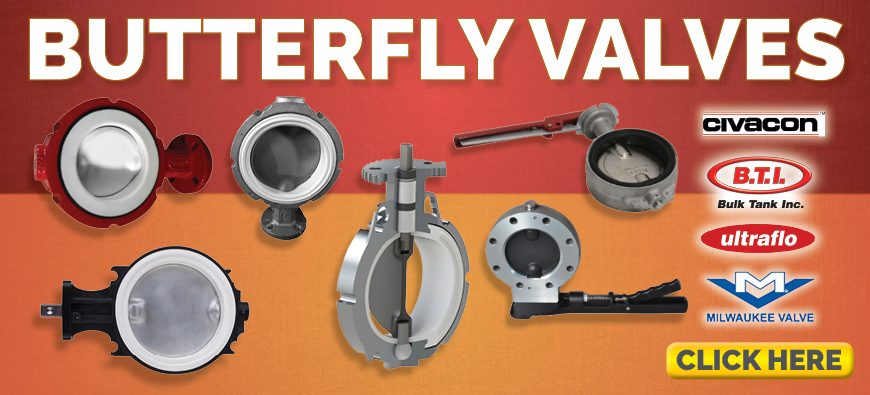
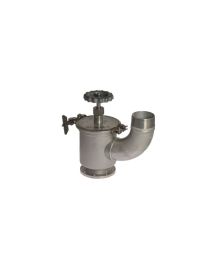
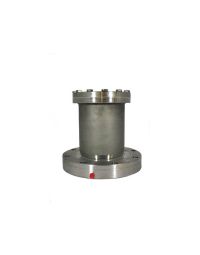
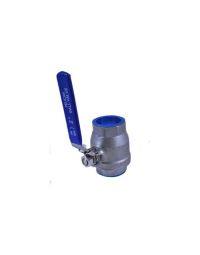
Common types of valves used in tank trailers include pressure relief valves (PRVs), which prevent over-pressurization by automatically releasing excess pressure; internal valves, which are installed inside the tank to provide emergency shutoff in case of a line rupture and help prevent spills; butterfly valves, which are lightweight and cost-effective options commonly used for loading and unloading but are not always ideal for highly corrosive chemicals; and ball valves, which provide tight shutoff and strong sealing capability, making them better suited for high-pressure or hazardous materials.
For chemical hauling, the most effective setup typically combines multiple valve types to ensure both safety and performance. A best-practice configuration includes:
• Pressure Relief Valve → Prevents dangerous pressure buildup
• Internal Valve → Provides emergency shutoff capability
• Stainless Steel Ball Valve → Ensures reliable, durable flow control
This approach is effective because chemical transport often involves:
• Extreme pressure variations
• Highly corrosive or hazardous materials
• A need for redundancy and fail-safe protection
However, failures can occur in real-world applications when valves are not properly rated for the specific chemical being hauled, when lower-grade materials—such as certain aluminum components—degrade over time, and when routine maintenance is delayed or skipped.
Common tank trailer valve problems include leakage, pressure relief valve failure, and sticking or hard-to-operate valves, each with identifiable causes and solutions. For example:
• Valve leakage
– Causes: Worn seals, chemical corrosion, improper installation
– Fix: Replace seals regularly, upgrade to chemical-resistant materials, inspect during service cycles
• Pressure relief valve failure
– Causes: Incorrect pressure rating, debris buildup, lack of testing
– Fix: Verify pressure settings, schedule inspections, replace aging PRVs proactively
• Sticking or hard-to-operate valves
– Causes: Product buildup, internal corrosion, lack of lubrication
– Fix: Clean after unloading, use compatible materials, replace when resistance increases
When selecting the right valve for a tanker, key factors to consider include:
• Chemical compatibility with the product being hauled
• Proper pressure rating to meet or exceed operational needs
• Compliance with DOT and hazardous material regulations
• Durable materials (stainless steel is preferred for corrosive environments)
• Ease of maintenance, including inspection and servicing
Ultimately, in chemical hauling, investing in the right combination of pressure relief valves, internal valves, and durable flow-control valves is essential to prevent failures, reduce downtime, and protect both equipment and operators.
Final Takeaway
If you’re hauling chemicals, your valve setup is not the place to cut corners. The right combination of pressure relief valves, internal valves, and durable flow-control valves can prevent failures, reduce downtime, and protect both your equipment and operators.