How to Choose Aluminum vs. Stainless Steel Tanker Trailer Fittings: A Complete Guide
When purchasing fittings, couplers, adapters, or camlock sytle for industrial and tanker trailer use, one of the most important decisions is choosing between aluminum and stainless steel. While both materials are widely used throughout the tank truck industry, each offers unique advantages depending on the products being hauled, operating environment, maintenance expectations, and budget.
Making the right choice can affect everything from payload capacity and corrosion resistance to equipment longevity and total cost of ownership. Understanding the strengths and limitations of both materials can help fleets, repair shops, and owner-operators make a more informed investment.
The Role of Tank Trailer Fittings
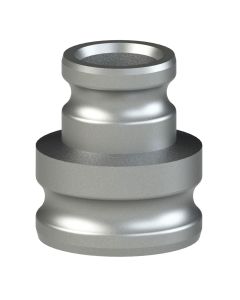
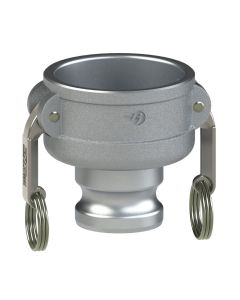
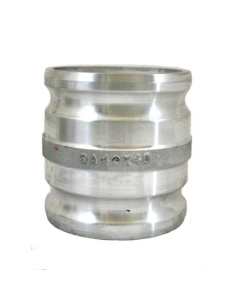
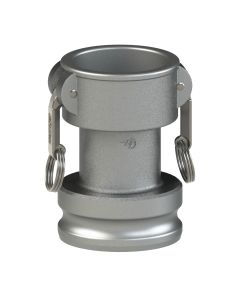
Tank trailers depend on a wide variety of fittings to safely load, transport, and unload products. Components such as camlock couplings, butterfly valves, API adapters, vapor recovery fittings, elbows, and hose connections are all critical parts of a tanker trailer system.
Because these fittings are exposed to both the product being transported and the operating environment, material selection plays a significant role in performance and reliability.
Aluminum Tank Trailer Fittings
For many petroleum and fuel-hauling applications, aluminum remains the most popular choice for tanker trailer fittings. Aluminum's biggest advantage is its light weight. Fleets looking to maximize payload capacity often prefer aluminum because every pound saved on equipment can potentially be used for revenue-generating product.
Another reason aluminum fittings are so common is affordability. Compared to stainless steel, aluminum fittings generally have a lower purchase price while still offering excellent performance for many bulk liquid applications. Aluminum also provides good corrosion resistance when hauling petroleum products, lubricants, and other non-corrosive liquids.
However, aluminum is not ideal for every application. It is a softer metal and can be more susceptible to damage from impacts, over-tightening, or harsh chemicals. Over time, aggressive products and severe operating environments may reduce the service life of aluminum fittings compared to stainless steel alternatives.
Aluminum fittings are often the best choice for:
- Petroleum trailers
- Fuel transport
- Lubricant hauling
- Applications where weight savings matter
- Fleets seeking lower upfront costs
Stainless Steel Tanker Trailer Fittings
When durability and chemical resistance are the highest priorities, stainless steel is often the preferred solution. Stainless steel tanker trailer fittings are known for their exceptional resistance to corrosion, making them ideal for chemical transport, food-grade service, and demanding industrial applications.
Although the initial investment is higher, many operators find that stainless steel provides a lower total cost of ownership over the long term. The material stands up well to repeated washdowns, harsh weather conditions, chemical exposure, and physical abuse. In many applications, stainless steel fittings simply last longer and require fewer replacements.
The tradeoff is weight and cost. Stainless steel fittings typically weigh more than aluminum and require a larger upfront investment. However, fleets hauling corrosive products often view the added durability as well worth the expense.
Stainless steel fittings are typically preferred for:
- Chemical tank trailers
- Corrosive liquid transport
- Food-grade applications
- Pharmaceutical transport
- High-purity product handling
- Operations focused on maximum service life
Choosing the Right Camlocks
Among all tanker trailer fittings, camlocks are some of the most frequently replaced and most heavily used components. Because operators connect and disconnect them daily, durability and compatibility are especially important.
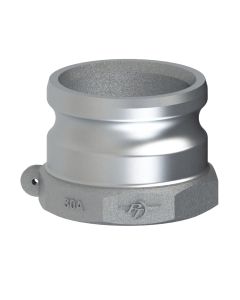
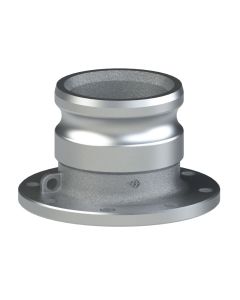
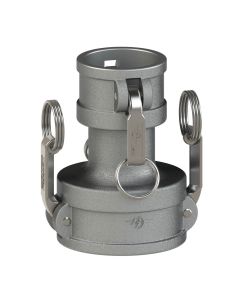
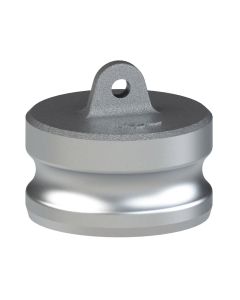
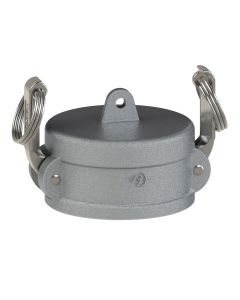
Aluminum camlocks are often an excellent choice for petroleum transportation because they are lightweight, economical, and easy to handle. For fleets hauling gasoline, diesel fuel, and other petroleum products, aluminum camlocks often provide years of dependable service.
Stainless steel camlocks, on the other hand, are commonly selected for chemical and food-grade applications. Their superior resistance to corrosion and wear makes them an ideal solution when product purity and long-term reliability are critical.
As a general rule, if the application is chemically aggressive or requires frequent cleaning, stainless steel camlocks typically deliver the best value over time.
Domestic vs. Import Tank Trailer Fittings
Material selection is only part of the purchasing decision. Buyers must also determine whether to purchase domestic or imported tanker trailer fittings.
Domestic manufacturers have traditionally built their reputation on quality control, engineering consistency, and adherence to industry standards. Many fleets appreciate the confidence that comes from working with recognized American manufacturers that provide strong technical support, replacement parts availability, and detailed product documentation.
Imported fittings have gained popularity because of their competitive pricing. In many cases, imported products can offer significant upfront savings. However, quality can vary considerably depending on the manufacturer. Some imported fittings perform exceptionally well, while others may present challenges related to material consistency, machining tolerances, or replacement part interchangeability.
When evaluating imported fittings, it is important to look beyond price and consider:
- Material certifications
- Manufacturing standards
- Supplier reputation
- Parts availability
- Long-term reliability
- Warranty support
The lowest purchase price does not always translate into the lowest operating cost.
Which Option Is Best?
For most petroleum applications, aluminum tanker trailer fittings provide an excellent balance of performance, weight savings, and affordability. They remain the preferred choice for many fuel haulers and general-purpose liquid transport fleets.
For chemical, food-grade, and corrosive-product service, stainless steel fittings typically offer superior long-term value. Their resistance to corrosion, extended service life, and broader chemical compatibility often justify the higher initial investment.
Regardless of the material selected, purchasing quality fittings from reputable manufacturers is essential. Whether choosing domestic or imported products, buyers should focus on safety, product compatibility, durability, and lifecycle cost rather than purchase price alone.
Final Thoughts
Choosing between aluminum and stainless steel tank trailer fittings, tanker trailer fittings, and camlocks ultimately comes down to the products you haul and the demands of your operation. Aluminum delivers weight savings and affordability, while stainless steel offers unmatched durability and corrosion resistance. By carefully evaluating your application and long-term operating costs, you can select fittings that provide reliable performance, improved safety, and maximum return on investment for years to come.
Need help selecting the right tanker trailer fittings? The specialists at Littlejohn can help you compare aluminum versus stainless steel fittings, evaluate domestic and import options, and identify the best solution for your tank trailer application. Buy online and same day fast shipping. 6 locations coast to coast.
Order full line of stainless steel fittings for chemical by clicking here.
Order full line of aluminum fittings for petroleum and other liquids by clicking here.