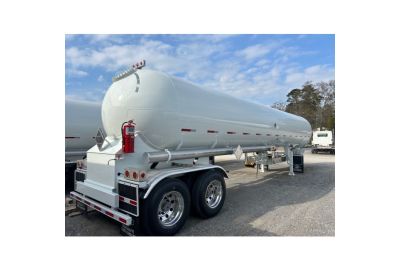
How Do I Select the Correct LPG Tanker Trailer from Mississippi Tank? (Complete Buyer’s Guide
Selecting the right LPG tanker trailer built by Mississippi Tank is critical for safety, compliance, and profitability. With multiple sizes, pressure ratings, and configuration options available, choosing the wrong setup can lead to regulatory issues, reduced payload efficiency, or operational downtime. This guide breaks down exactly how to choose the right Mississippi Tank LPG trailer based on your application.
What is an LPG tanker trailer?
Understanding LPG Tanker Trailers and Key Specifications
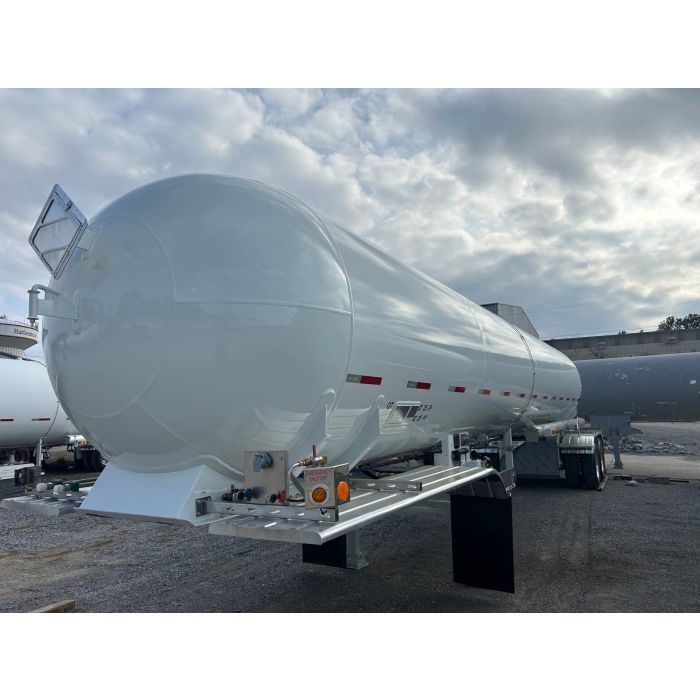
An LPG tanker trailer is a pressurized transport vessel designed to haul liquefied petroleum gases such as propane, butane, or ammonia. These trailers are engineered to withstand high pressure and must meet strict Department of Transportation (DOT) standards for hazardous materials. Most Mississippi Tank LPG trailers are built to MC‑331 specifications, which are specifically intended for transporting compressed gases safely under pressure.
Selecting the right trailer begins with understanding capacity requirements and pressure specifications. Mississippi Tank commonly offers trailer sizes ranging from 10,400 to 11,600 gallons, with additional custom configurations available. Choosing the correct size depends on how the trailer will be used—smaller units are better suited for local routes due to improved maneuverability, while larger units maximize payload efficiency for long-haul applications. However, capacity decisions must always balance volume with legal weight limits.
Pressure rating is equally critical, as LPG must remain pressurized to stay in liquid form. Most trailers operate around 250–265 PSI, though MC‑331 designs can accommodate higher pressures depending on the application. Matching pressure ratings to the specific product, temperature conditions, and regulatory environment ensures safe and compliant operation.
Key specifications to consider:
• 10,400–10,600 gallon and 11,000–11,600 gallon standard capacities
• Larger custom configurations available
• Typical working pressure around 250–265 PSI
• MC‑331 compliance for pressurized gas transport
• Capacity must align with legal weight limits, not just volume
Construction, Safety Features, and Performance Design
Material selection and construction quality play a major role in the durability and lifespan of an LPG tanker trailer. Carbon steel is commonly used for its strength and cost-effectiveness, while stainless steel components may be incorporated to improve corrosion resistance and extend service life. Mississippi Tank trailers are built with high-strength materials and benefit from in-house fabrication and strict quality control processes. Their lightweight designs also improve payload efficiency without sacrificing structural integrity.
Safety remains the most critical factor in LPG trailer selection. Because these trailers operate under pressure and carry hazardous materials, engineered safety systems are essential. Features such as pressure relief valves, emergency shut-off systems, and anti-surge baffles help prevent over-pressurization and ensure stability during transport. Suspension systems, including air ride designs, further enhance safety by reducing vibration and load stress.
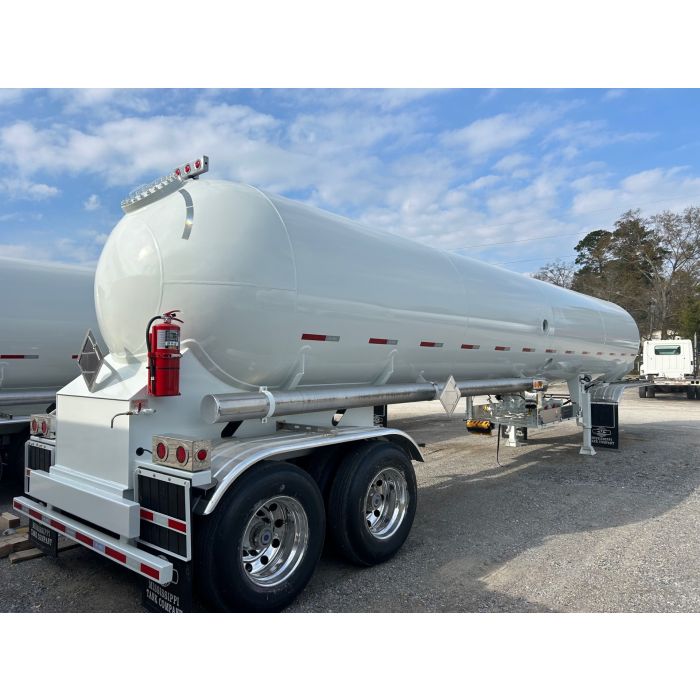
Trailer configuration must also match operational demands. Axle setups, chassis design, and suspension systems must align with route conditions, whether for highway driving or more rugged environments. Mississippi Tank trailers commonly include tandem axle configurations and air ride suspension to support consistent, reliable performance.
Core construction and safety features:
• Carbon steel for strength and cost efficiency
• Stainless steel components for corrosion resistance
• Pressure relief valves and emergency shut-off systems
• Anti-surge baffles for load stability
• Air ride suspension for smoother transport
• Tandem axle configurations for balanced weight distribution
Compliance, Customization, and Avoiding Costly Mistakes
DOT compliance is mandatory for LPG tanker trailers, and MC‑331 standards are specifically designed to ensure safe and legal transport of pressurized gases. Mississippi Tank trailers meet DOT requirements as well as ASME standards for pressure vessels, providing confidence in both safety and regulatory compliance.
One of the biggest advantages of working with Mississippi Tank is their ability to customize trailers to fit specific operational needs. They can build units to exact specifications, tailor designs based on routes and cargo types, and incorporate specialized plumbing, metering, or unloading systems. This level of customization is essential because no two fleets operate the same way.
However, selecting the wrong trailer can result in costly errors, increased downtime, and compliance risks. Many of these issues stem from overlooking key factors such as pressure requirements, safety features, or long-term maintenance considerations.
Common mistakes to avoid and final considerations:
• Choosing capacity without accounting for weight limits
• Ignoring pressure requirements for specific products
• Using improper materials for the cargo
• Skipping critical safety feature evaluation
• Failing to plan for long-term maintenance
• Not customizing the trailer to fit operational needs
When capacity, pressure rating, materials, safety systems, suspension, and compliance are properly aligned, the result is improved payload efficiency, reduced downtime, and safer, fully compliant operations.
For tailored recommendations, contacting a tank trailer specialist at Littlejohn can help ensure the right LPG or propane tanker solution for your business. Littlejohn stocks and distributes new Mississippi LGP Trailers.