Synopsis: Food grade dry bulk tankers must have the correct certifications and usually have large capacities. To be truly food grade, they must also have the appropriate food grade parts equipped.
Cement, fly ash, and sand. These materials are the bread and butter of dry bulk hauling. A mainstay at construction sites and manufacturing plants, dry bulk trailers have a reputation for hauling tough products. However, they are also an excellent solution for hauling food grade products.
For food grade products like grain, sugar, and flour, a food grade pneumatic tanker is the ideal transportation solution. The pneumatic system allows for fast loading and unloading, while the food grade standard keeps cargo copacetic. From farms to factories, food grade pneumatic tankers are an essential element of the ever-moving supply chain.
How is a Food Grade Pneumatic Tanker Designed?
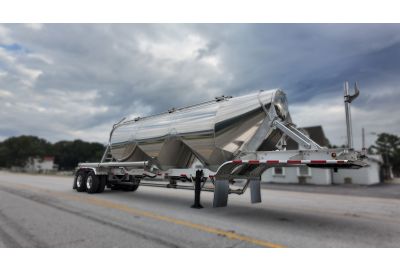
Dry bulk tank trailers have unique designs in the transportation industry. Whereas most tank trailers have a cylindrical shape, dry bulk tankers have triangular hoppers that give them their eye-catching look. These hoppers make it easier to load and unload dry bulk cargo than a traditional cylindrical tanker.
Furthermore, there are two primary types of pneumatic tank trailers low cube and high cube. Low cube tankers typically have two hoppers and often haul heavier products like sand or cement. High cube tankers may have three or four hoppers and haul lighter products to offset the increase in volume.
Dry bulk food grade trailers are often high cube tank trailers. The food grade pneumatic tanker we offer is a 1600 cubic foot tanker with four hoppers. However, with their impressive versatility, we can convert them to function to haul materials like cement and sand.
What Makes Pneumatic Tankers Ideal for Food Grade Dry Bulk Transport?
What makes pneumatic dry bulk tankers so effective in transporting materials like grains is their pneumatic systems. These systems use pressurized air to fluff up the granulated cargo, making it flow like a liquid. Additionally, the hoppers triangular shape allows gravity to assist unloading and ensure a smooth flow.
Overall, the design of the hoppers and the pneumatic system make the dry bulk goods flow like a fluid. This makes the transfer of the food grade products like sugar, grain, and flour a breeze. The closed system also prevents the loss of valuable cargo, creating both an easy and efficient transfer.
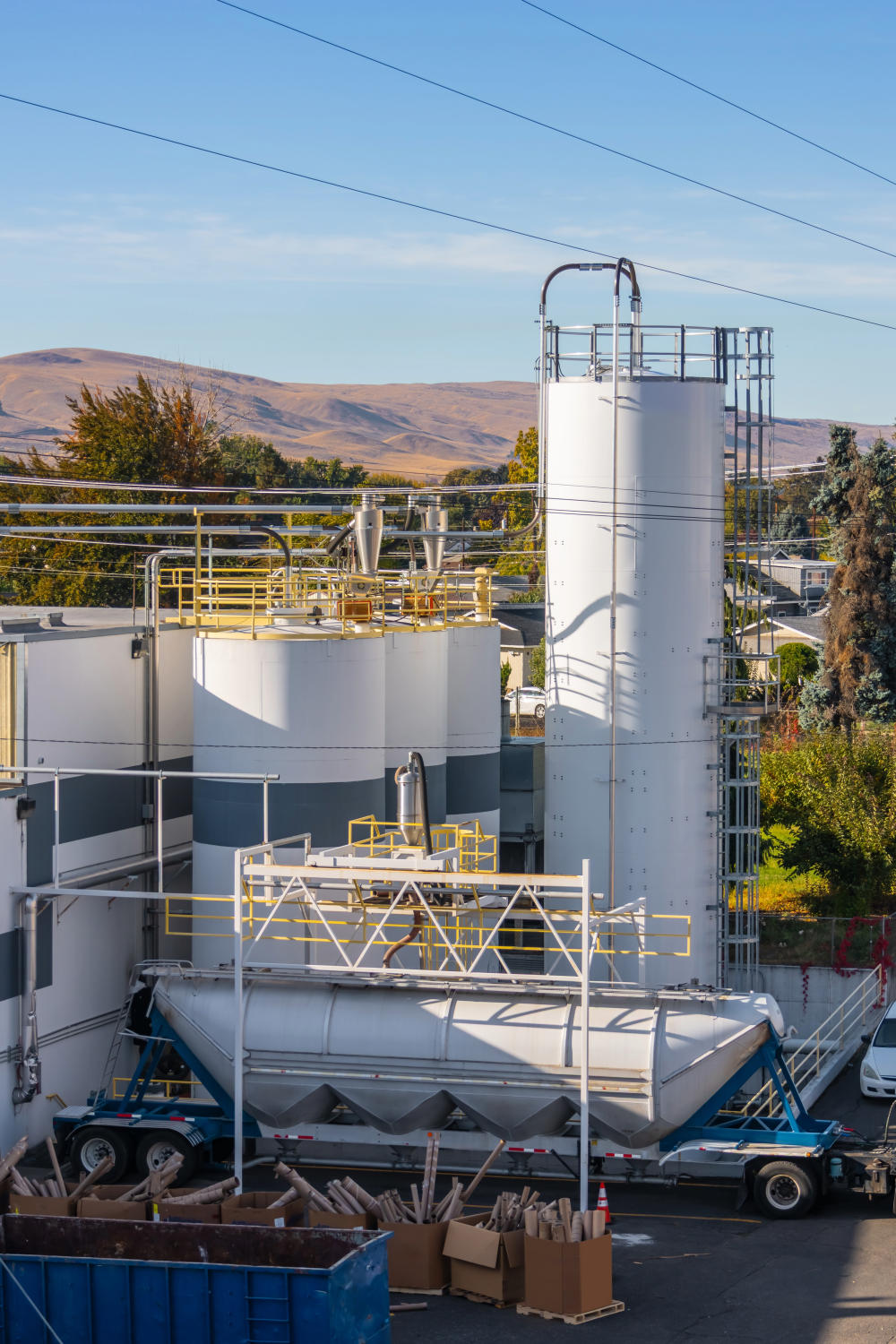
What Parts Are Necessary for Food Grade Pneumatic Tankers?
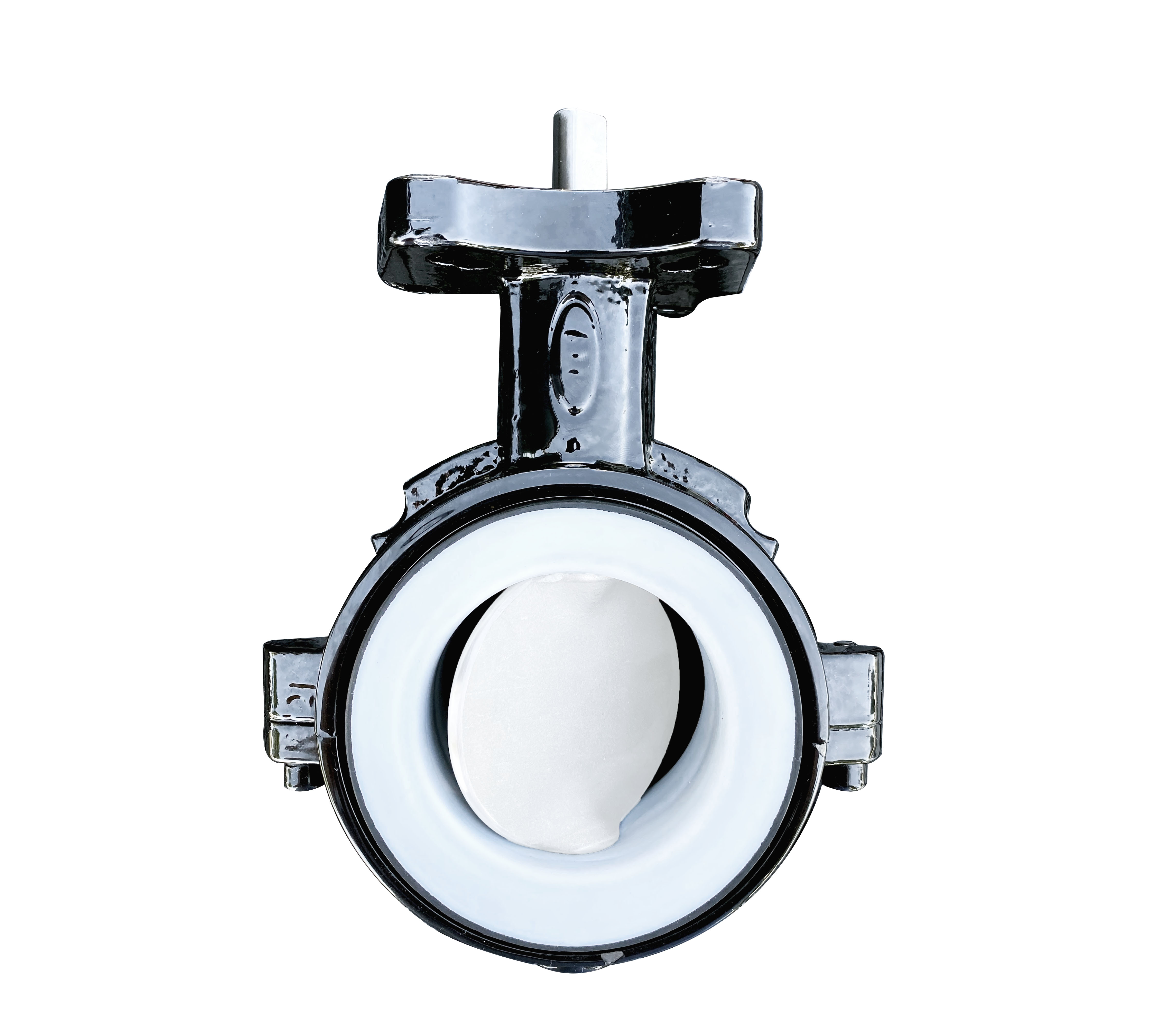
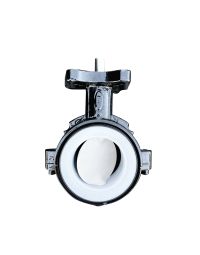
For a food grade pneumatic tanker, not any parts will do. Food grade or sanitary parts are a necessity for these tanks. These parts ensure operators correctly handle the product not just in transport, but also during loading and unloading.
Some might believe that the right tanker is the end all be all of safe transport. However, industry veterans know the right parts are just as important. Here at Littlejohn, we offer both food grade dry bulk tankers and food grade parts. If you're looking to add to your fleet, we've got you covered from the quote to the delivery.
Conclusion
Dry bulk tankers don't just haul cement or sand, they haul all types of ingredients from your favorite foods. Often hauled in high cube trailers, pneumatic systems fluidize dry bulk materials for easy loading and unloading. However, the right trailer also needs the right parts, so make sure to equip food grade gaskets, valves, hose, and more.